
Repeatability
More structured handling and sewing logic can improve process consistency.
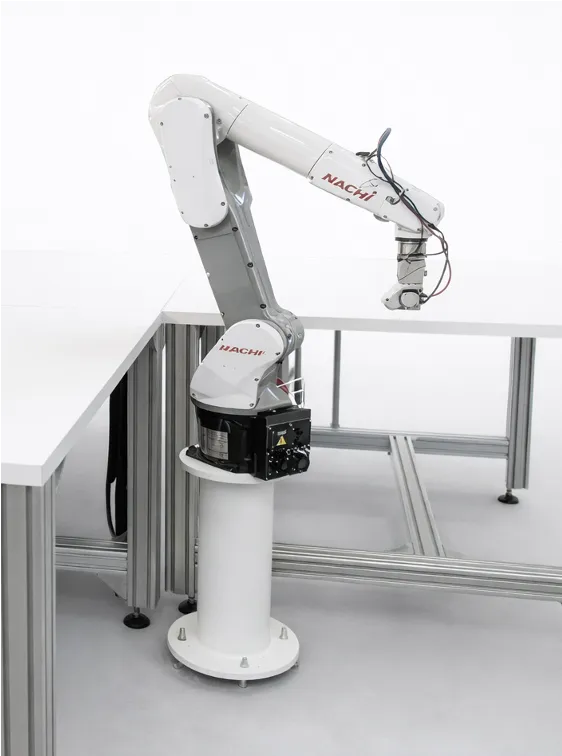
ADOTC develops automated cells and production lines for apparel manufacturing that combine textile handling, robotic process execution, machine vision and monitored production workflows.

More structured handling and sewing logic can improve process consistency.
Cell-based automation can support more modular production architectures.
Automation can help make local and regional production concepts more viable.
Monitoring and software interfaces provide a stronger basis for process control.
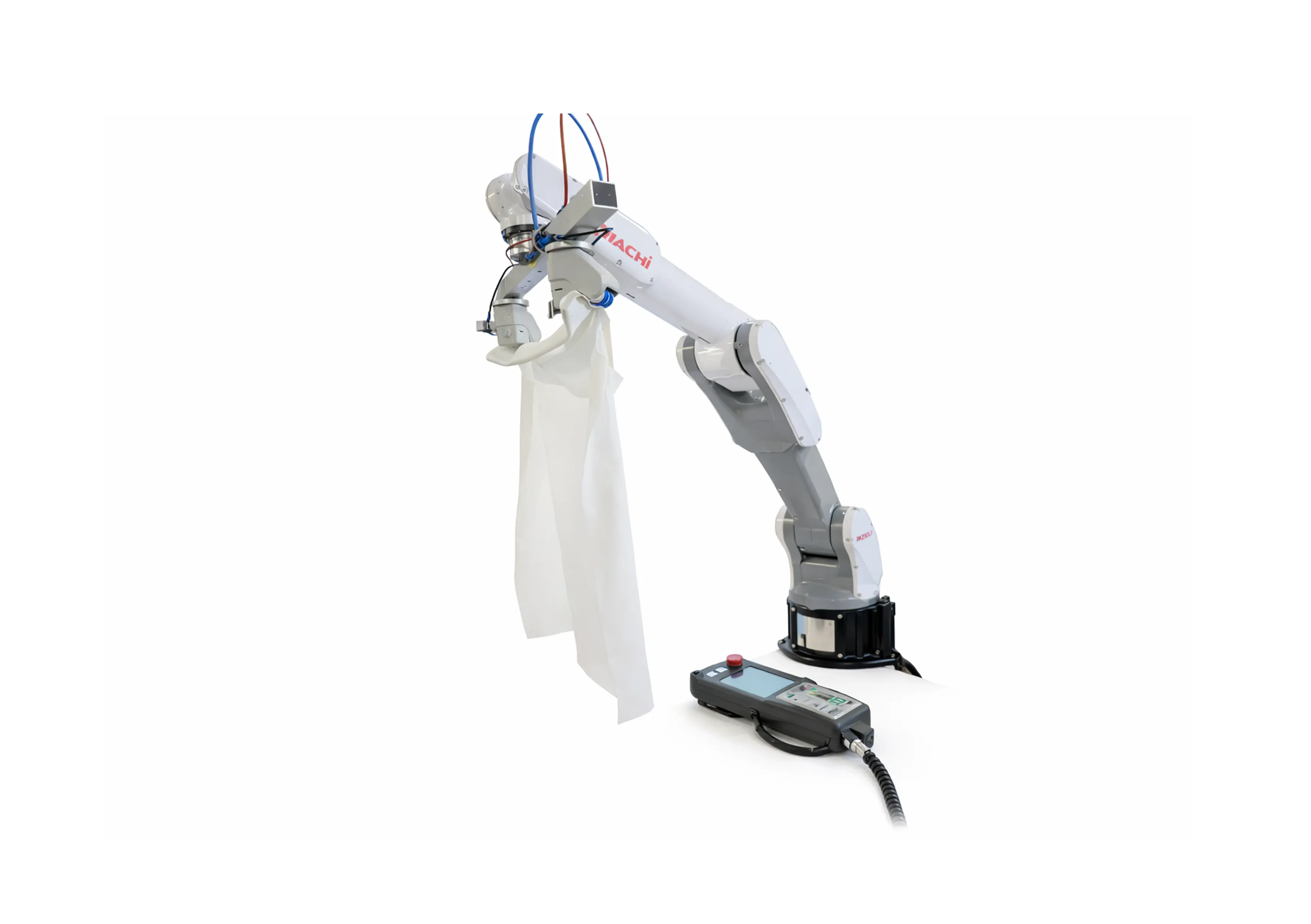
Selected garment-related sewing operations with recurring seam paths and defined process requirements.
Modular automation line designed for structured production environments and scalable pilot setups.
Integration of handling, process control and software-supported production logic.
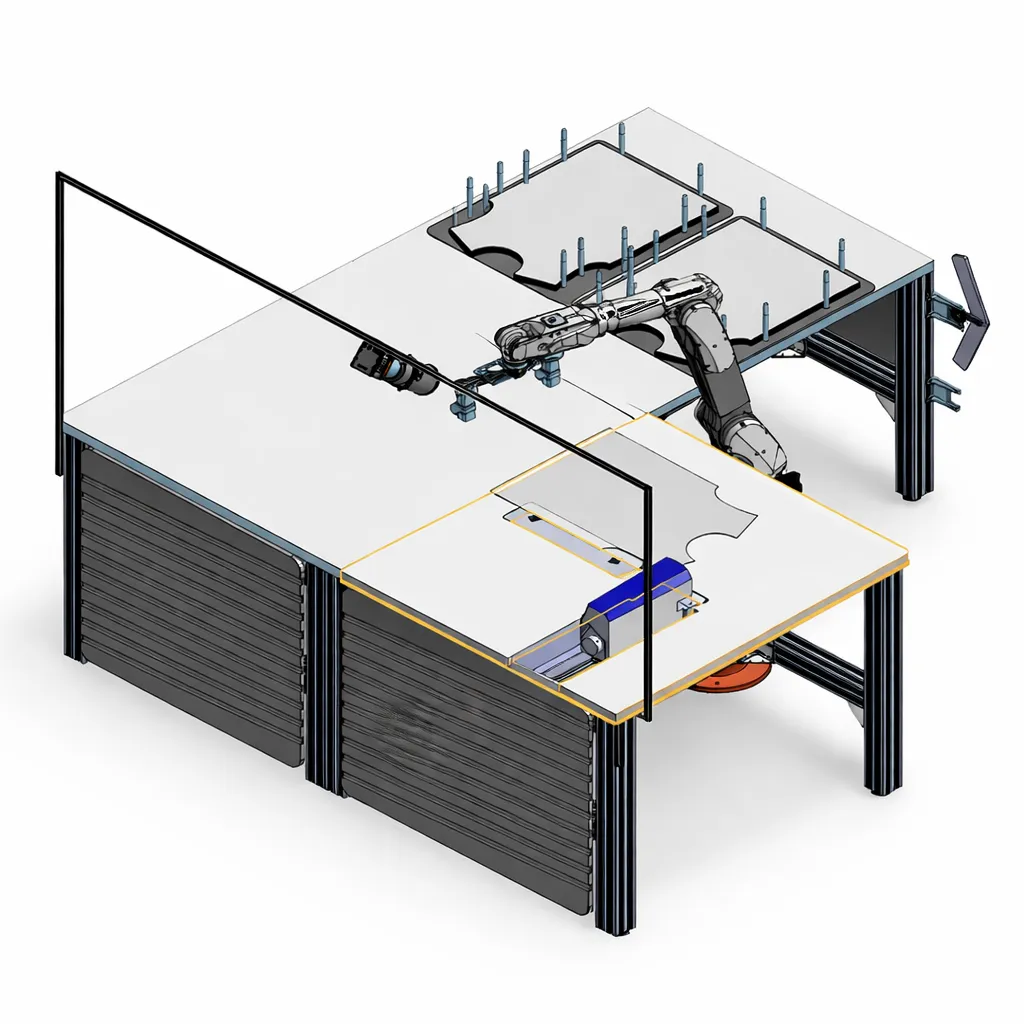

ADOTC starts with the automation of T-shirt production. The line is being developed for different sizes and styles and is designed for T-shirts made from cotton, polyester or mixed fibres. The same platform is built to extend across further products and materials, rather than being locked to a single item.
The goal is a flexible production setup that combines textile handling, robotic sewing and connected process control with a target capacity of up to 120 shirts per hour.
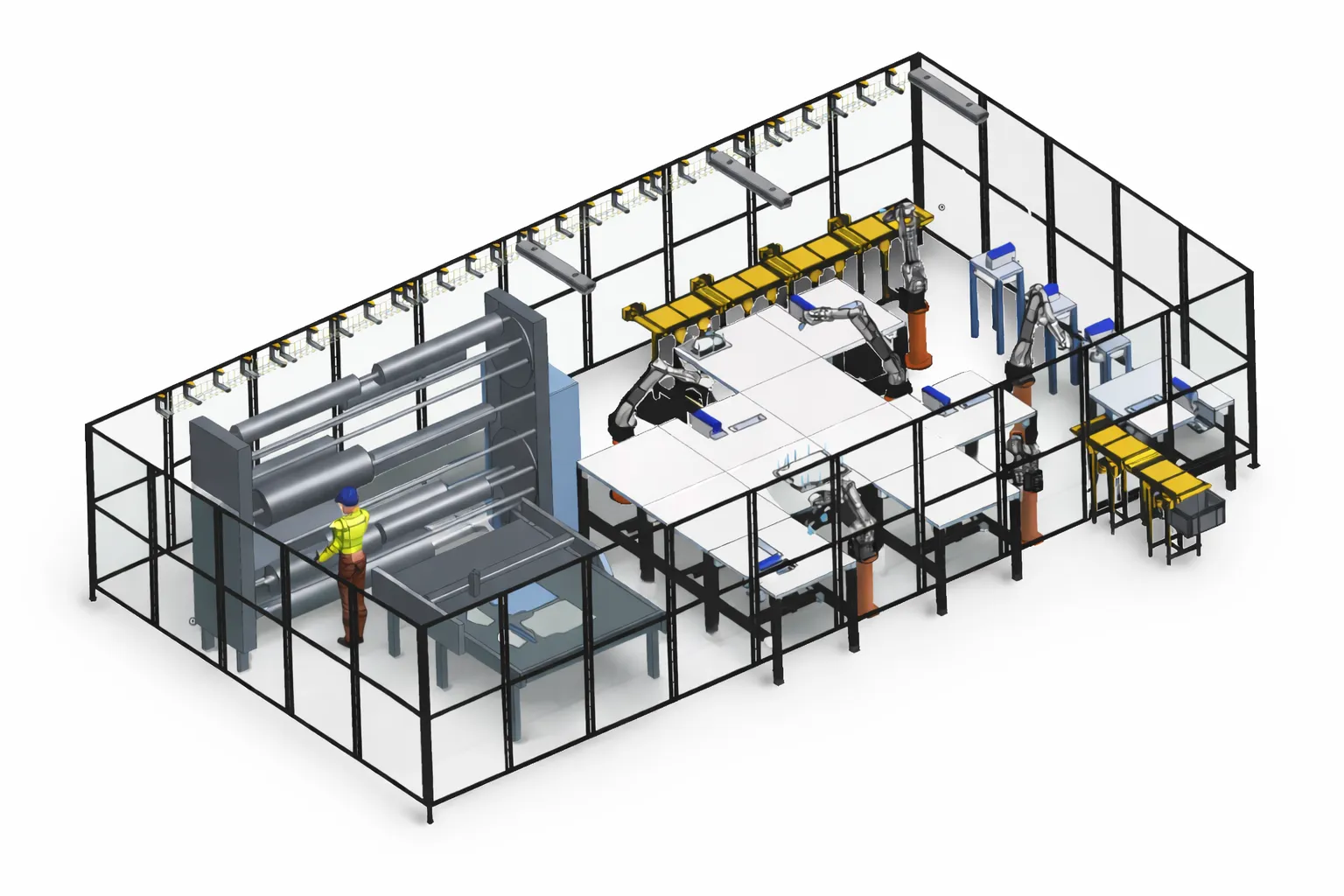











If you are evaluating automation for a garment-related production step, ADOTC can assess whether a robotic sewing cell approach is technically meaningful for your use case.