
Robotic material handling
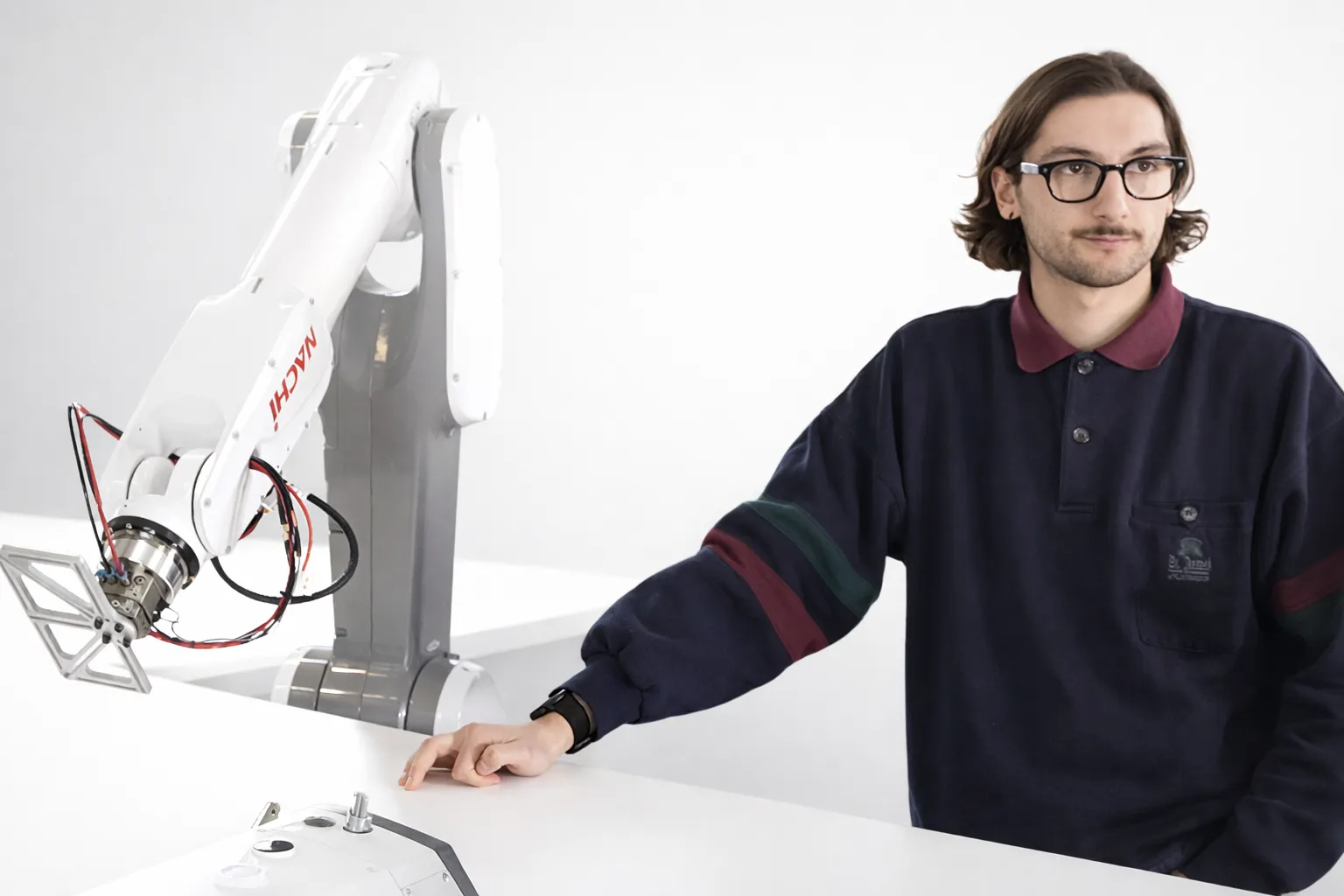
Material pick-up, positioning and feeding steps adapted to flexible textile behaviour.
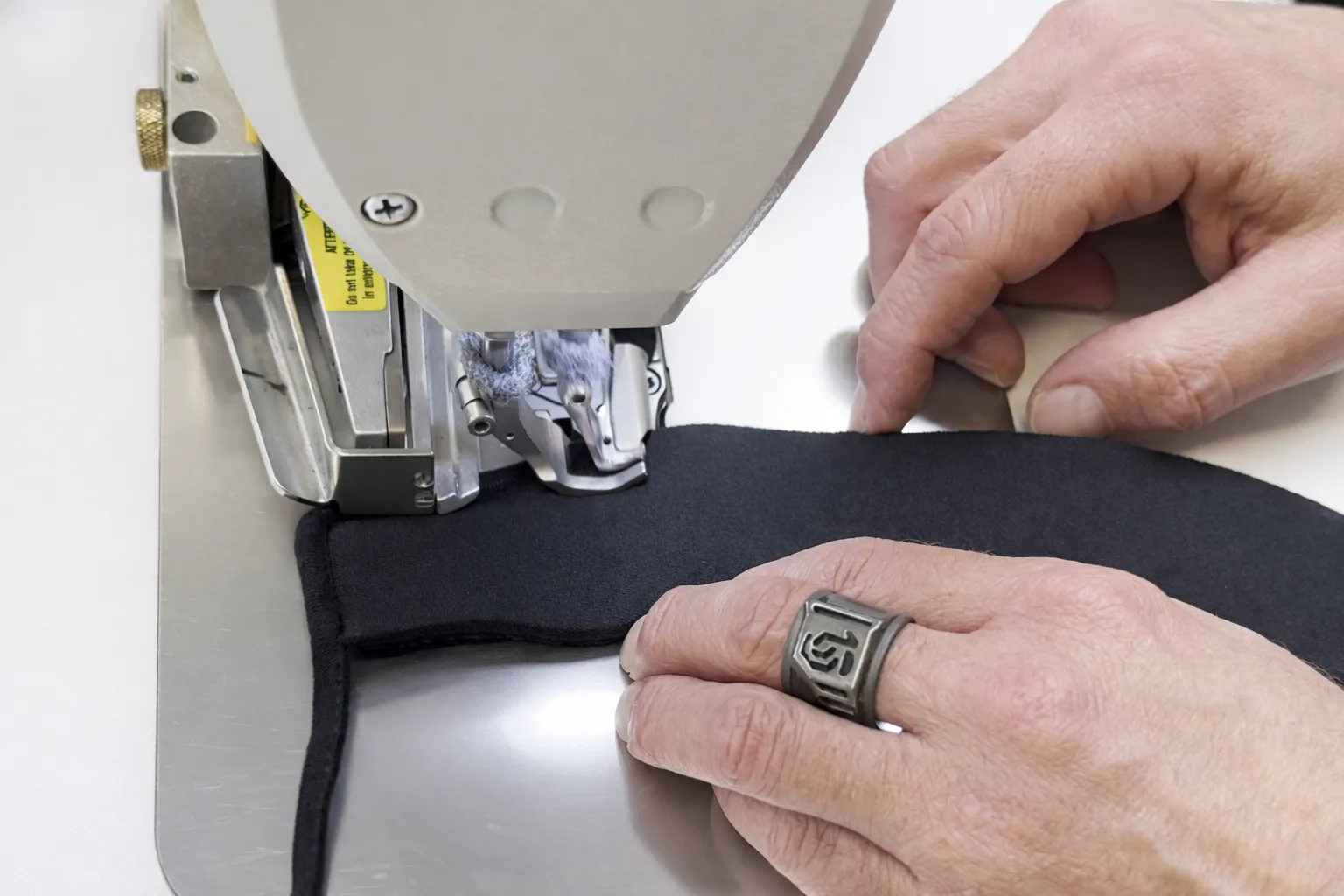
Vision at every stitch — closed-loop control at sewing speed.
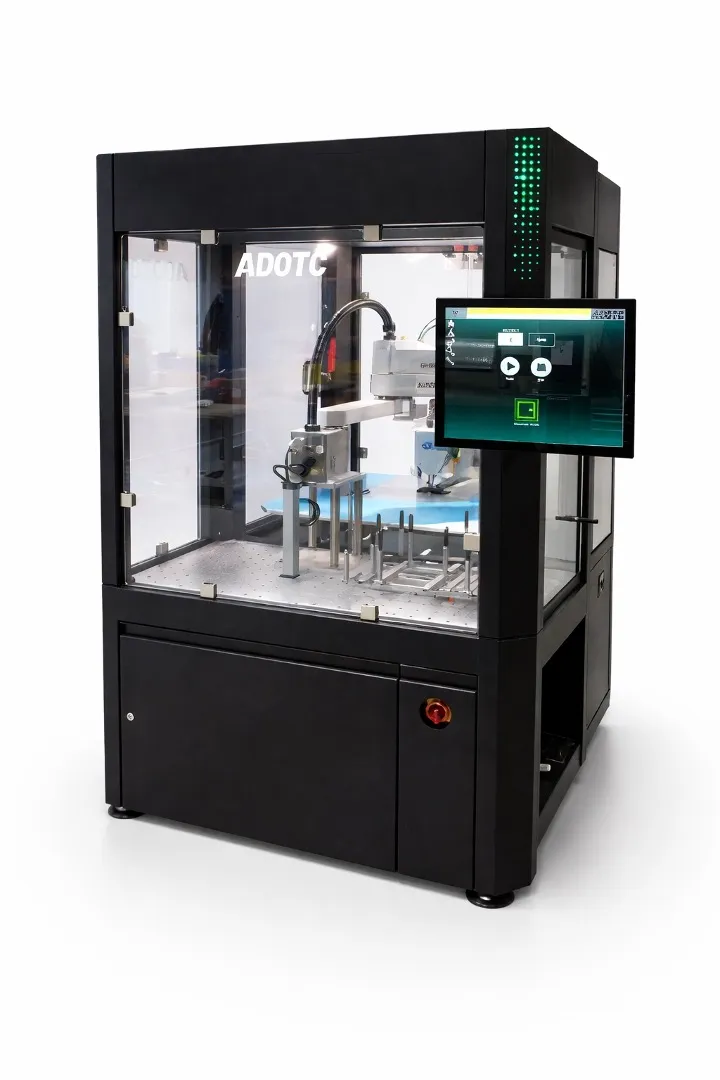
ADOTC develops automated cells & lines for textile manufacturing.
Our technology platform combines robotics, textile engineering, machine vision and software to enable scalable, industrial-grade production processes. Unlike automation locked to a single product, the platform is built for flexibility across products and materials.
The focus is on sewing, welding and bonding.

As featured in: Textilwirtschaft · VDI nachrichten · WTiN · automation NEXT · Klimareporter
Material pick-up, positioning and feeding steps adapted to flexible textile behaviour.
Grippers and tooling tailored to seam geometry and fabric handling requirements.
Sensor-supported process monitoring for alignment, quality and stability.
Interfaces, monitoring and production logic for scalable automation concepts.
Up to 90% of garment production still relies on skilled operators — no automation, no scale.
A shrinking global workforce (-8% by 2060 OECD) combined with wage inflation creates a permanent output ceiling.
3-6 Months of lead time, zero responsiveness — brands cannot react to demand shifts or macroeconomic disruptions.
Offshore supply chains create growing reputational and compliance risks for apparel brands.
Source: McKinsey Apparel, Fashion & Luxury Group — "Is apparel manufacturing coming home?"; labour-force projection per OECD.
Textiles are the endgame of automation. Unlike rigid parts, fabrics are flexible, unstable and highly variable in motion. Fabrics deform, shift and react differently during each handling step. Sizes, geometries, materials and seam paths can change from product to product. What is straightforward with metal becomes a demanding control problem when the material moves, folds or shifts during the process.
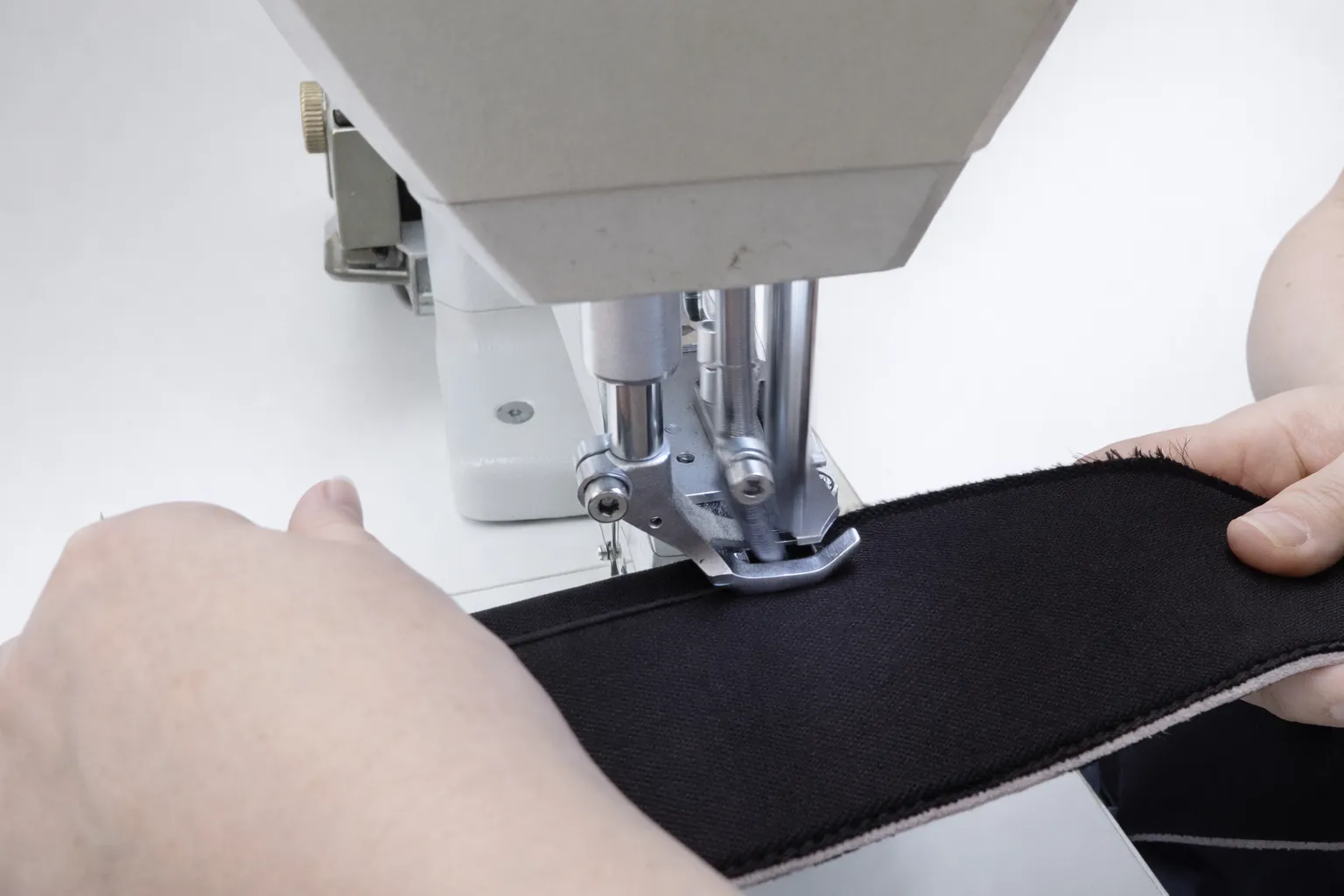
Automated sewing & joining cells and lines for selected textile assembly processes in industrial production.
Precise handling, positioning and guiding of flexible textile materials during automated processing.
Integrated sensors, interfaces, software and AI for monitored, data-driven production environments.
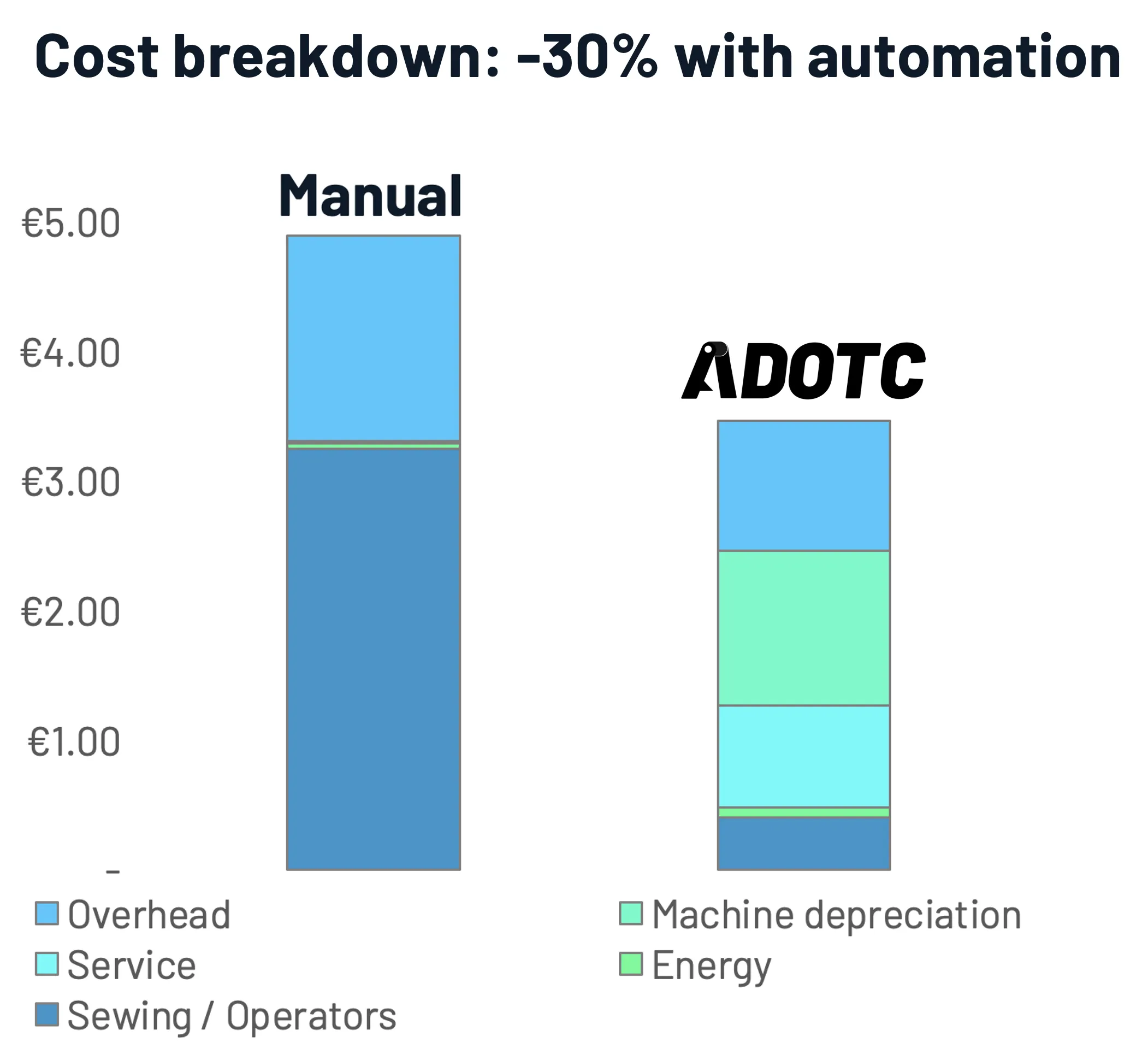
The advantage is total landed cost, not piece-rate labour: shorter lead times, lower inventory and markdowns, less freight and fewer tariffs.
Nearshore, on-demand production replaces 3-6 month lead times and reduces overproduction risk.
Faster response to demand lowers overproduction, tied-up stock and end-of-season markdowns.
In an EU-production example, automation can reduce cost by up to 30% versus a conventional setup — alongside the strategic benefits above.
Cost figures are illustrative and based on EU production (ADOTC ROI model: 30s cycle, 90% OEE, single shift). Actual results depend on labour intensity, throughput, quality requirements and operating conditions.
ADOTC combines textile engineering, automation technology and industrial implementation. The company develops practical robotic sewing, welding & bonding solutions for manufacturing environments and builds on applied development supported through programmes including EXIST and DBU.









Projects, partners and press around ADOTC.
Tell us about your product, production step or automation challenge. We will assess whether a robotic joining approach is technically meaningful for your application.